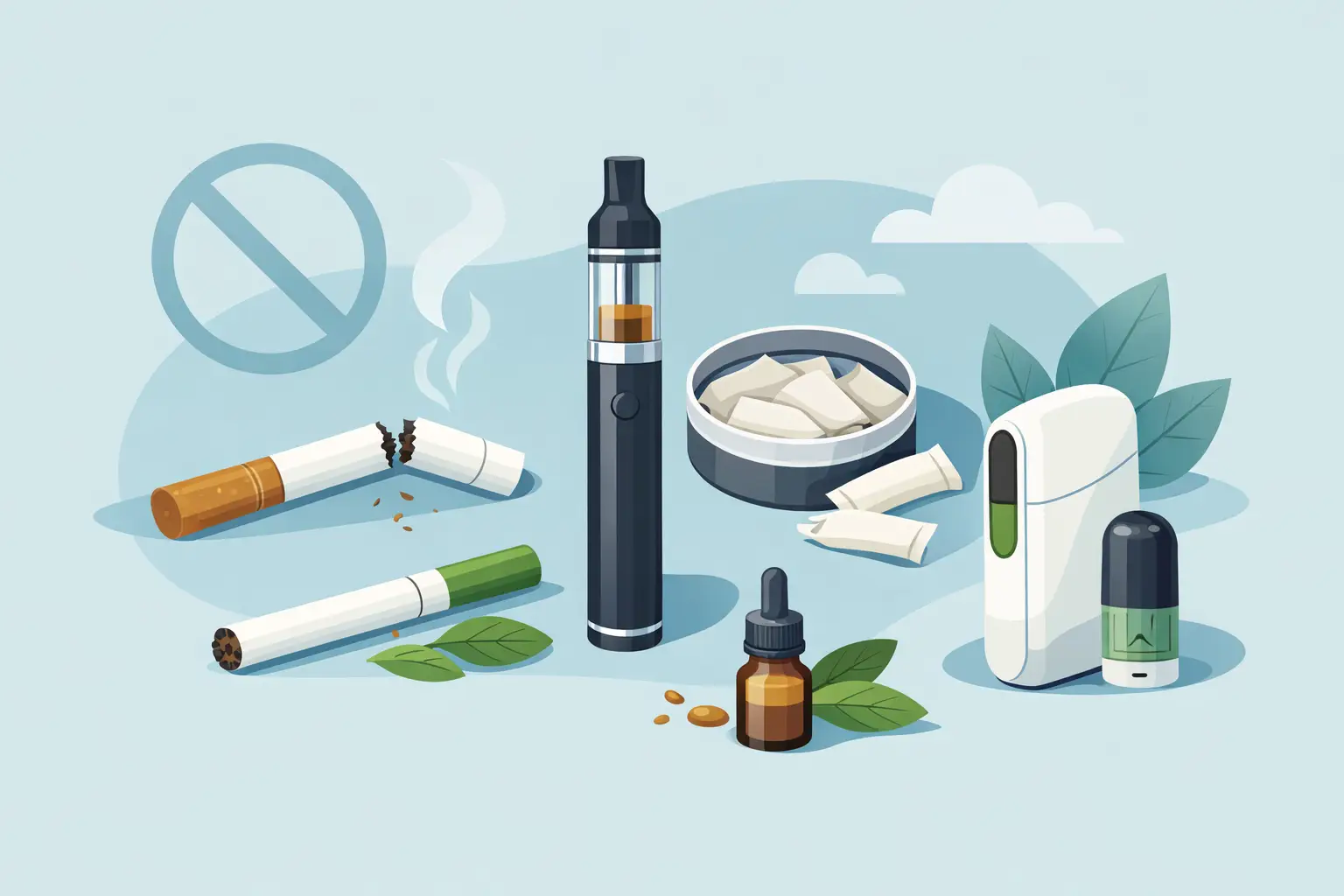
A cigarette after coffee. A smoke break when work gets tense. Something to hold while driving, talking on the phone, or having a drink with friends. For many adult smokers, those moments are not just about nicotine. That is why tobacco free cigarette alternatives can be useful when you are ready to BREAK the nicotine addiction but still need a familiar way to handle the routine.
Quitting is hard because smoking has two powerful parts: nicotine dependence and learned behavior. You may be able to manage the chemical craving with a patch, gum, or medication, then still feel stuck when your hands are empty at the exact time you would normally light up. A practical replacement can help you take back control of those trigger-heavy moments.
Why the ritual can be harder to quit than expected
Smoking becomes attached to ordinary parts of the day. Your brain learns that coffee means a cigarette, a work break means a cigarette, and stress means stepping outside for a few minutes. After years of repetition, the cue itself can create an urge before nicotine even enters the picture.
That does not mean the habit is impossible to change. It means you need a plan that addresses more than one part of it. Nicotine-replacement products may help some adults reduce withdrawal symptoms. But they do not always give you the familiar hand-to-mouth action, the inhale and exhale, the pause from a stressful situation, or the social comfort of holding a cigarette.
A tobacco-free, nicotine-free cigarette alternative is designed for that behavioral gap. It can give you something familiar to reach for while you build new responses to old triggers. The goal is not to pretend cravings never happen. The goal is to get through them without feeding nicotine dependence.
What tobacco free cigarette alternatives are
Tobacco-free cigarette alternatives are cigarettes made without tobacco. Nicotine-free options also remove nicotine, the drug that keeps cigarette addiction going. They are often made with herbal blends or other plant-based materials and are intended for adults who want a cigarette-style substitute without tobacco or nicotine.
At Smoke Free USA, the cigarettes use the tender outer layer of cocoa beans. That cocoa bean material is ground and toasted to create a mild flavor and pleasant aroma. The result is a tobacco-free, nicotine-free cigarette in a familiar format, available in regular, menthol, cherry, and vanilla varieties.
That familiarity matters. A cigarette-shaped alternative can fit naturally into the moments when gum feels wrong, a lozenge feels too clinical, or simply doing nothing feels like an invitation to relapse. You are not required to overhaul every part of your day at once. You can start by replacing the cigarette that feels hardest to give up.
What these alternatives can and cannot do
A nicotine-free herbal cigarette can be a useful behavioral substitute, but it is not a magic switch. It does not erase withdrawal, solve stress, or guarantee that a person will quit. The strongest results usually come when you use it with a clear intention: reduce nicotine, avoid buying conventional cigarettes, and practice new routines around your biggest triggers.
It is also important to be realistic about smoke. Tobacco-free does not mean risk-free. Inhaling smoke from any burned material can irritate the lungs and expose you to harmful substances. If your priority is avoiding smoke entirely, talk with a health professional about smoke-free quitting support and other options.
For adults who currently smoke and are trying to move away from tobacco and nicotine, the trade-off may be worth considering. A tobacco-free cigarette alternative can remove the nicotine that drives addiction while helping you navigate the physical routine that often pulls people back to traditional cigarettes. Your needs, health history, and quit goals should guide the choice.
How to use a cigarette alternative when cravings hit
The best time to use a nicotine-free substitute is not only when a craving feels overwhelming. Use it proactively in the situations that have trained you to smoke. If you always light up with morning coffee, have your tobacco-free alternative ready before you pour the cup. If your commute is a trigger, keep it where you can reach it before getting in the car.
Start by identifying your three strongest smoking moments. For many people, they are the first cigarette of the day, the stress break, and the cigarette paired with alcohol or a meal. Replacing those moments creates proof that you can get through the routine without nicotine.
When the urge arrives, slow the moment down. Step outside if that is part of your usual break. Take a few calm breaths. Use your alternative if it supports your plan, then give the craving time to rise and fall. Most urges are temporary, even when they feel urgent. Every time you respond without nicotine, you weaken the old connection between the trigger and the cigarette.
You may also choose to pair a tobacco-free cigarette alternative with nicotine gum, patches, or another cessation approach. Some adults prefer a patch for steady support while using a cigarette-style substitute for the physical ritual. Others want to eliminate nicotine completely and use a nicotine-free option only for their toughest situational habits. There is no single method that works for everyone.
Choose a flavor that fits your routine
Taste can make a replacement feel more satisfying, especially when you are trying not to return to the flavor and sensation of a conventional cigarette. Regular is a straightforward choice for adults who want a simple, familiar experience. Menthol may fit those who associate a cool finish with their usual brand.
Cherry and vanilla offer a different approach. A flavor change can help break the mental link to your old cigarette because the experience is intentionally not identical. For some people, that makes it easier to see the product as a tool for moving forward rather than a copy of what they are trying to leave behind.
Individual packs make sense if you are testing which flavor works best during your personal trigger times. Cartons can be practical when you already know that having a dependable supply keeps you from making an impulse purchase of tobacco cigarettes. The right choice is the one that supports your next nicotine-free decision.
Build a plan for the moments that usually beat you
Willpower matters, but preparation matters more. Do not wait until you are frustrated, rushed, or standing outside a convenience store to decide how you will handle a craving. Keep your preferred alternative available and make your plan specific.
For example, decide that your first break at work will be a five-minute walk with water and a tobacco-free cigarette if needed. Decide that after dinner you will clear the table, brush your teeth, and sit somewhere different than your usual smoking spot. Decide that drinks with friends will include a response ready for the moment someone offers you a cigarette.
Small changes reduce the power of automatic habits. You do not have to be perfect to make progress. If you have a difficult day, return to the next choice in front of you. One nicotine-free morning, one tobacco-free break, and one resisted impulse can become the foundation for a real change.
Your smoking routine was built one repeated moment at a time. You can rebuild it the same way, with a practical substitute in hand and a clear reason to keep going.